
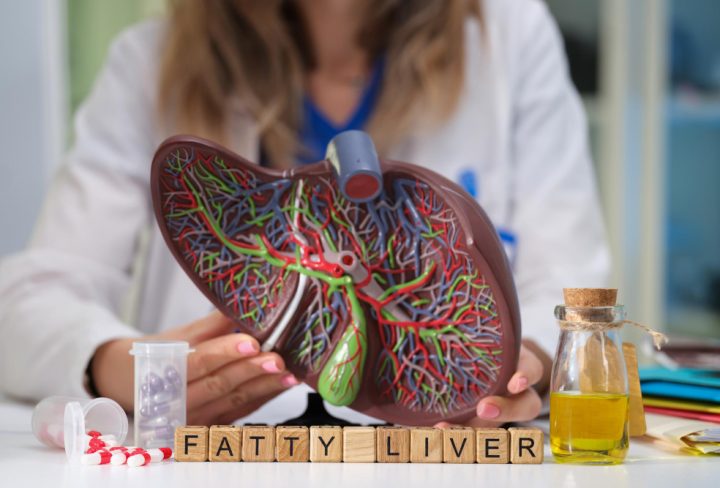
What is Nonalcoholic Fatty Liver Disease?
Nonalcoholic Fatty Liver Disease (NAFLD) is a condition where extra fat builds up in the liver. This happens in people who drink little or no alcohol. NAFLD is now one of the most common liver problems worldwide. In fact, it affects about 25% of adults, according to the World Health Organization (WHO). This blog will focus on the causes and risk factors of Nonalcoholic Fatty Liver Disease. Understanding these can help you lower your risk and protect your liver health.
Main Causes of NAFLD
NAFLD develops when the liver stores too much fat. While the exact cause is not always clear, several main factors play a role. For example, the following are common causes of fatty liver:
Because these causes often work together, making healthy changes can help lower your risk.
Key Risk Factors for NAFLD
Several risk factors make it more likely for someone to develop NAFLD. However, not everyone with these risk factors will get the disease. The most common risk factors for fatty liver include:
Even though these risk factors are common, you can take steps to lower your risk.
Who is Most at Risk?
Some people are more likely to develop NAFLD than others. For instance, you may be at higher risk if you:
But remember, NAFLD can also affect people without these risk factors. Therefore, regular check-ups are important for everyone.
How to Lower Your Risk
Although NAFLD is common, you can take steps to prevent it. For example, making healthy lifestyle choices can protect your liver. Here are some tips for preventing NAFLD:
Because small changes can make a big difference, start with one or two healthy habits and build from there.
In summary, knowing the causes and risk factors of Nonalcoholic Fatty Liver Disease can help you protect your liver. If you have concerns or want to learn more about preventing NAFLD, consult a healthcare specialist for personalized advice.