
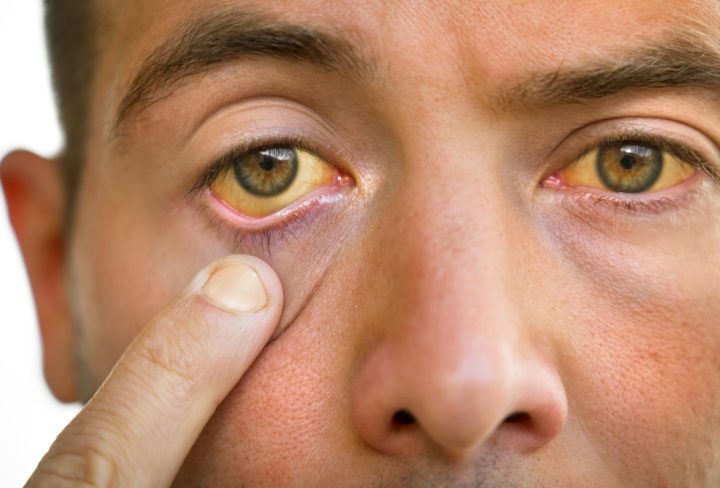
What is Jaundice?
Jaundice is a condition where the skin and eyes turn yellow. This happens when there is too much bilirubin in the blood. Bilirubin is a yellow substance made when red blood cells break down. Often, jaundice is a sign of a problem with the liver, blood, or bile ducts. Many people wonder why jaundice occurs. Understanding the causes of jaundice helps you know when to seek help. Both adults and children can get jaundice for different reasons. Gastroenterology experts study these causes to help patients recover.
How Does Jaundice Develop?
Normally, the body removes old red blood cells. The liver changes bilirubin so it can leave the body in stool. However, if this process does not work right, bilirubin builds up. As a result, the skin and eyes turn yellow. Sometimes, the problem starts before the liver, inside the liver, or after the liver. Each step can lead to jaundice for different reasons.
Main Causes of Jaundice
Doctors group the causes of jaundice into three main types. These are pre-hepatic, hepatic, and post-hepatic causes. Each type affects the body in a different way.
Pre-hepatic Causes
Pre-hepatic means the problem starts before the liver. In these cases, the body breaks down red blood cells too quickly. Therefore, the liver cannot keep up. This leads to a rise in bilirubin. Common pre-hepatic causes include:
Hepatic Causes
Hepatic causes happen inside the liver. The liver may be damaged or inflamed. As a result, it cannot process bilirubin well. Some common hepatic causes are:
Post-hepatic Causes
Post-hepatic causes happen after the liver. Here, something blocks the flow of bile. Because of this, bilirubin cannot leave the body. This leads to jaundice. Common post-hepatic causes include:
Risk Factors for Jaundice
Some people have a higher risk of getting jaundice. For example, certain health conditions or habits can increase your chances. Key risk factors include:
Because of these risks, it is important to know your health history. Early action can prevent serious problems.
When to See a Doctor
Jaundice can be a sign of a serious health problem. Therefore, you should see a doctor if you notice yellow skin or eyes. Other warning signs include:
If you have any of these symptoms, seek medical advice right away. Early treatment can help prevent complications. According to the World Health Organization and the CDC, quick care is key for the best outcome.
If you notice symptoms of jaundice, consult a healthcare professional for personalized advice.