
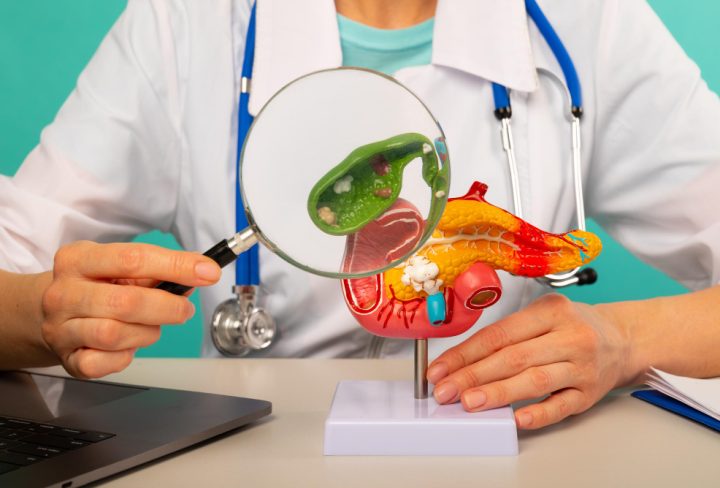
What is Cholangiocarcinoma?
Cholangiocarcinoma, also called bile duct cancer, is a rare but serious disease. It starts in the bile ducts, which are small tubes that carry bile from the liver to the small intestine. Bile helps your body digest fat. When a tumor grows in these ducts, it can block the flow of bile. As a result, this can cause health problems. Although cholangiocarcinoma is not common, it is important to know about it. Early detection of bile duct cancer can improve treatment outcomes.
Common Symptoms of Bile Duct Cancer
Often, cholangiocarcinoma does not cause symptoms in the early stages. However, as the tumor grows, you may notice changes in your body. For example, you might see:
Because these symptoms can also be caused by other conditions, it is important to see a doctor if you notice them. Early diagnosis of bile duct cancer can make a big difference.
Causes and Risk Factors
Doctors do not always know what causes cholangiocarcinoma. Still, some factors can raise your risk. For instance, you may be at higher risk if you:
Even though these factors can increase risk, many people with cholangiocarcinoma have no known risk factors. Therefore, regular check-ups are important, especially if you have liver or bile duct issues.
How Cholangiocarcinoma is Diagnosed
Doctors use several tests to diagnose bile duct cancer. First, they may order blood tests to check liver function. Next, imaging tests like ultrasound, CT scans, or MRI can help find tumors. Sometimes, doctors use a special test called ERCP (endoscopic retrograde cholangiopancreatography) to look at the bile ducts. In some cases, a biopsy is needed. This means taking a small tissue sample to check for cancer cells. Early detection of cholangiocarcinoma can help doctors plan the best treatment.
Treatment Options for Bile Duct Cancer
Treatment for cholangiocarcinoma depends on the stage and location of the tumor. Common options include:
Sometimes, a combination of treatments is used. Your doctor will discuss the best plan for you. New treatments for bile duct cancer are being studied in clinical trials, offering hope for the future.
Lifestyle Tips and Prevention
While you cannot always prevent cholangiocarcinoma, healthy habits can lower your risk. For example:
Because early detection is key, talk to your doctor if you have any risk factors or symptoms.
When to See a Doctor
If you notice symptoms like jaundice, unexplained weight loss, or ongoing abdominal pain, do not wait. Instead, make an appointment with your healthcare provider. Early diagnosis of bile duct cancer can improve your chances of successful treatment. Even if your symptoms are mild, it is better to be safe and get checked.
Consult a gastroenterologist or healthcare provider for personalized advice about cholangiocarcinoma.