
Introduction
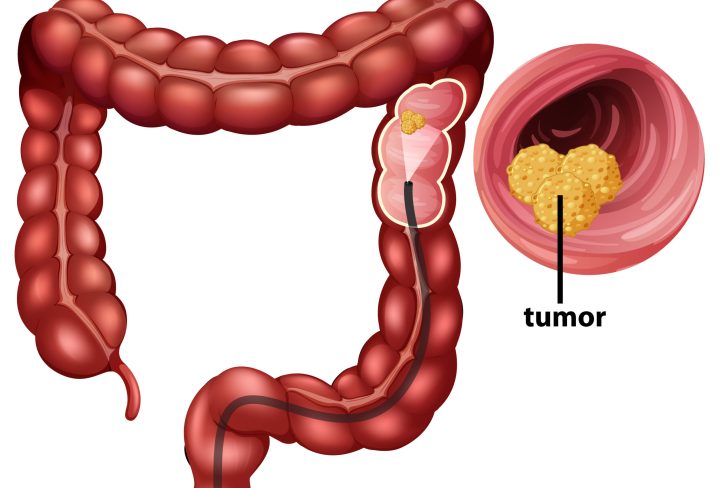
Colorectal cancer is a type of cancer that starts in the colon or rectum. Both are parts of the large intestine. In the United States, colorectal cancer is one of the most common cancers. Early detection can save lives. However, many people miss the early symptoms. Knowing the colorectal cancer warning signs is important. This can help you seek help sooner and improve your chances of recovery.
Common Warning Signs
Sometimes, colorectal cancer does not cause symptoms right away. But, there are warning signs you should not ignore. Early symptoms of colon cancer can be mild. Still, paying attention to changes in your body is key. Watch for these signs:
Of course, these symptoms can have other causes. But, if they last more than a few days, you should talk to your doctor.
Causes and Risk Factors
Many things can raise your risk for colorectal cancer. Some you can control, while others you cannot. Knowing your risk can help you take action. Here are the main causes and risk factors:
For example, people with a family history have a higher risk. But, even without these risks, anyone can get colorectal cancer.
When to See a Doctor
It is important to know when to seek medical advice. If you notice any colorectal cancer warning signs, do not wait. Especially if symptoms last more than a week, see your doctor. Early symptoms of colon cancer may seem minor. However, getting checked early can make a big difference. If you are over 45, regular screening is also recommended. This is true even if you feel healthy.
Diagnosis Overview
Doctors use several tests to diagnose colorectal cancer. First, they may ask about your symptoms and medical history. Next, they might do a physical exam. Common tests include:
Early diagnosis gives you more treatment options and better outcomes. According to the CDC, regular screening can help find cancer early, when it is easier to treat.
Prevention Tips
While you cannot control every risk, you can lower your chances of getting colorectal cancer. Try these prevention tips:
In addition, talk to your doctor about your personal risk. They can help you make a plan that fits your needs.
Conclusion & Call-to-Action
Colorectal cancer can be serious, but early action saves lives. Do not ignore warning signs like blood in your stool, lasting stomach pain, or changes in bowel habits. Prevention and early detection are key. Consult a specialist for personalized guidance. Your health is worth it.