
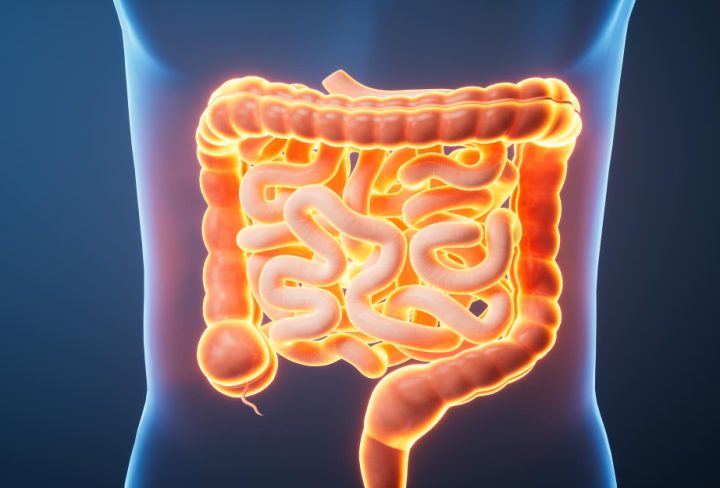
What Is the Gut-Hormone Connection?
The gut-hormone connection is the link between your digestive system and your hormones. Your gut does more than digest food. It also helps control many hormones in your body. Because of this, gut health and hormones are closely linked. When your gut is healthy, your hormones often stay balanced. However, if your gut is not healthy, your hormones may become unbalanced. This connection is important for your overall health.
Key Hormones Influenced by Gut Health
Many hormones are affected by your digestive system. For example, your gut helps make and control these hormones:
Because the digestive system and hormone balance are connected, changes in your gut can affect these hormones.
How Gut Health Affects Hormonal Balance
Your gut is home to trillions of bacteria, called the gut microbiome. These bacteria help break down food and make vitamins. In addition, they send signals to your brain and other organs. When your gut bacteria are healthy, your hormones often work well. But if your gut bacteria are out of balance, your hormones may not work as they should. For example, a poor diet or stress can harm gut bacteria. As a result, this may lead to hormone problems. According to the CDC, a healthy gut supports many body systems, including hormones.
Symptoms of Imbalance in the Gut-Hormone Axis
Sometimes, problems in the gut-hormone connection cause symptoms. You may notice:
However, these symptoms can have other causes. If you notice them often, talk to your doctor.
Diagnosis: How Doctors Assess Gut and Hormone Health
Doctors use several steps to check your gut and hormone health. First, they ask about your symptoms and health history. Next, they may do tests, such as:
Sometimes, doctors may refer you to a specialist. For example, a gastroenterologist checks gut health, while an endocrinologist checks hormones.
Treatment and Lifestyle Tips for a Healthy Gut-Hormone Connection
There are many ways to support your gut and hormone balance. For instance, you can:
In some cases, doctors may suggest medicine or supplements. However, always talk to your doctor before starting new treatments. According to the WHO, a healthy lifestyle supports both gut and hormone health.
Prevention: Steps to Support Gut and Hormonal Health
Preventing problems is often easier than treating them. Therefore, try these steps:
By following these tips, you can help keep your gut and hormones in balance.
When to See a Specialist
Sometimes, home care is not enough. If you have ongoing stomach problems, mood changes, or other symptoms, see a doctor. In addition, if you notice sudden weight changes or severe fatigue, seek help. A specialist can check your gut-hormone connection and suggest the right treatment.
For the best care, consult a gastroenterologist or endocrinologist for personalized advice on your gut and hormonal health.