What is GERD (Gastroesophageal Reflux)?
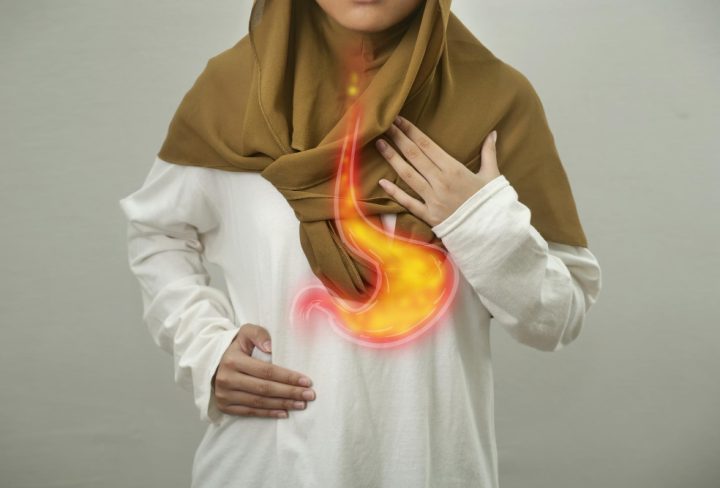
GERD stands for Gastroesophageal Reflux Disease. It happens when acid from the stomach flows back into the food pipe. This food pipe is called the esophagus. Usually, a muscle at the end of the esophagus keeps acid in the stomach. However, if this muscle is weak, acid can move up. This causes a burning feeling known as heartburn. GERD is a common problem. According to the CDC, millions of people experience GERD symptoms each year. If you live in a city or rural area, GERD can affect you.
Common Symptoms of GERD
Many people with GERD notice symptoms after eating. Sometimes, these symptoms can happen at night. For example, you may feel a burning pain in your chest. Other signs can also appear. Here are some common GERD symptoms:
Not everyone has all these symptoms. Still, if you notice them often, GERD may be the cause.
Causes and Risk Factors
GERD has several causes. Most often, it happens when the muscle at the end of the esophagus does not close well. As a result, stomach acid moves up. There are also risk factors that make GERD more likely. For instance, being overweight can increase pressure on the stomach. In addition, eating large meals or lying down after eating can trigger reflux. Here are some common causes and risk factors:
Because these factors can add up, making small changes may help reduce GERD symptoms.
How GERD is Diagnosed
If you have frequent heartburn, your doctor may suspect GERD. First, your doctor will ask about your symptoms. Next, they may do a physical exam. Sometimes, tests are needed to confirm GERD. For example, your doctor may suggest:
These tests help find out how much acid is moving up. They also check for any damage to the esophagus. Early diagnosis can help prevent problems later.
Treatment Options for GERD
There are many ways to treat GERD. Your doctor may suggest medicine, lifestyle changes, or both. For mild cases, simple changes may be enough. However, if symptoms are severe, you may need medicine. Here are common acid reflux treatment options:
Medical Treatments
Sometimes, surgery is needed if other treatments do not help. Your doctor will discuss the best option for you.
Lifestyle Changes
These steps can make a big difference. Often, combining medicine and lifestyle changes works best.
Prevention Tips and Lifestyle Guidance
Preventing GERD is possible for many people. Even small changes can help. For example, eating slowly and chewing food well can reduce symptoms. Here are some tips on how to prevent GERD:
Because triggers are different for everyone, tracking your habits can help you avoid problems. If you need more help, your doctor can give advice tailored to you.
When to See a Doctor
Sometimes, GERD symptoms can be mild. However, if you have symptoms more than twice a week, see a doctor. Also, if you have trouble swallowing, chest pain, or weight loss, get medical help right away. These could be signs of a more serious problem. Early care can prevent complications. If you are looking for GERD treatment in your city, many clinics and hospitals can help.
If you have symptoms of GERD, consult a gastroenterologist for personalized advice. Early treatment can help you feel better and prevent future problems.