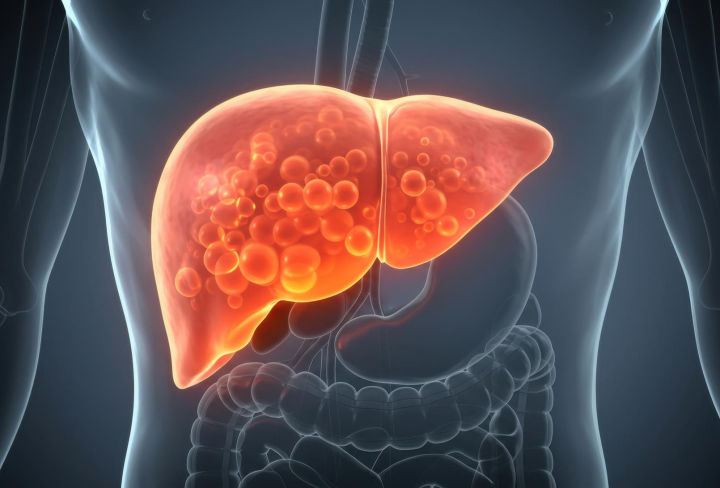
What is Nonalcoholic Fatty Liver Disease (NAFLD)?
Nonalcoholic fatty liver disease, or NAFLD, happens when fat builds up in the liver. This condition is not caused by drinking alcohol. Instead, it is linked to lifestyle and health factors. NAFLD is now common around the world. In fact, many people do not know they have it because it often causes no symptoms at first. However, over time, NAFLD can harm the liver and lead to serious health problems.
Why Prevention Matters
Preventing nonalcoholic fatty liver disease is very important. If left untreated, NAFLD can lead to liver swelling, scarring, or even liver failure. Moreover, it can increase the risk of heart disease and diabetes. Because NAFLD often has no early signs, taking steps to prevent it is the best way to protect your liver and overall health.
Key Risk Factors
Several factors can raise the risk of developing NAFLD. Knowing these can help you take action early. For example, people with the following are at higher risk:
Additionally, some medicines and rapid weight loss can also increase risk. But, many of these factors can be managed with healthy habits.
Proven Prevention Strategies
There are several ways to prevent fatty liver and keep your liver healthy. According to the CDC and WHO, these steps are effective:
Furthermore, regular health check-ups can help catch problems early.
Healthy Lifestyle Tips
Simple changes can make a big difference for your liver. For instance, try these healthy liver habits:
Additionally, involve your family in healthy habits. This can make changes easier and more enjoyable.
When to See a Doctor
Although NAFLD often has no symptoms, it is important to see a doctor if you have risk factors. For example, seek medical advice if you:
Even if you feel well, regular check-ups can help find liver problems early. Early action can prevent serious health issues later.
Conclusion and Call-to-Action
In summary, prevention of nonalcoholic fatty liver disease is possible with healthy choices. By eating well, staying active, and managing health risks, you can protect your liver. Remember, small steps can lead to big results. For personalized advice on how to avoid nonalcoholic fatty liver disease, consult a healthcare professional.