
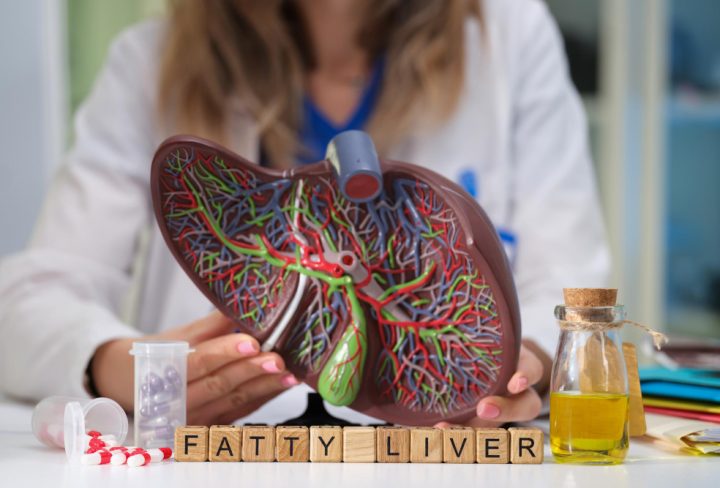
What Causes Nonalcoholic Fatty Liver Disease? Understanding the Risk Factors

EN-B-GA-CN1-V61_20260316_100226_v1

What is Nonalcoholic Fatty Liver Disease?

Nonalcoholic Fatty Liver Disease (NAFLD) is a condition where extra fat builds up in the liver. This happens in people who drink little or no alcohol. NAFLD is now one of the most common liver problems worldwide. In fact, it affects about 25% of adults, according to the World Health Organization (WHO). This blog will focus on the causes and risk factors of Nonalcoholic Fatty Liver Disease. Understanding these can help you lower your risk and protect your liver health.

Main Causes of NAFLD

NAFLD develops when the liver stores too much fat. While the exact cause is not always clear, several main factors play a role. For example, the following are common causes of fatty liver:

  • Obesity: Carrying extra weight, especially around the belly, increases fat in the liver.
  • Insulin Resistance: This means the body does not use insulin well, so more fat stays in the liver.
  • Metabolic Syndrome: This is a group of conditions, such as high blood pressure, high blood sugar, and high cholesterol, that often occur together.
  • Poor Diet: Eating lots of sugar, processed foods, or unhealthy fats can lead to fat buildup in the liver.
  • Lack of Physical Activity: Not moving enough can make it easier for fat to build up.
  • Because these causes often work together, making healthy changes can help lower your risk.

    Key Risk Factors for NAFLD

    Several risk factors make it more likely for someone to develop NAFLD. However, not everyone with these risk factors will get the disease. The most common risk factors for fatty liver include:

  • Age: NAFLD is more common in people over 40, but it can affect younger people too.
  • Family History: If close family members have NAFLD or liver disease, your risk is higher.
  • Type 2 Diabetes: People with diabetes often have higher liver fat.
  • High Cholesterol or Triglycerides: These blood fats can raise the risk of NAFLD.
  • High Blood Pressure: This is another part of metabolic syndrome that increases risk.
  • Polycystic Ovary Syndrome (PCOS): Women with PCOS have a higher chance of fatty liver.
  • Sleep Apnea: Breathing problems during sleep can also raise the risk.
  • Unhealthy Lifestyle: Eating poorly and not exercising can increase risk.
  • Even though these risk factors are common, you can take steps to lower your risk.

    Who is Most at Risk?

    Some people are more likely to develop NAFLD than others. For instance, you may be at higher risk if you:

  • Are overweight or obese
  • Have type 2 diabetes
  • Have high cholesterol or triglycerides
  • Have high blood pressure
  • Have a family history of liver disease
  • Are over age 40
  • Have certain medical conditions, such as PCOS or sleep apnea
  • But remember, NAFLD can also affect people without these risk factors. Therefore, regular check-ups are important for everyone.

    How to Lower Your Risk

    Although NAFLD is common, you can take steps to prevent it. For example, making healthy lifestyle choices can protect your liver. Here are some tips for preventing NAFLD:

  • Maintain a Healthy Weight: Losing even a small amount of weight can help reduce liver fat.
  • Eat a Balanced Diet: Choose more fruits, vegetables, whole grains, and lean proteins. Limit sugar and unhealthy fats.
  • Exercise Regularly: Aim for at least 30 minutes of activity most days of the week.
  • Manage Medical Conditions: Keep blood sugar, cholesterol, and blood pressure under control.
  • Avoid Unnecessary Medications: Some medicines can harm the liver, so always follow your doctor’s advice.
  • Because small changes can make a big difference, start with one or two healthy habits and build from there.

    In summary, knowing the causes and risk factors of Nonalcoholic Fatty Liver Disease can help you protect your liver. If you have concerns or want to learn more about preventing NAFLD, consult a healthcare specialist for personalized advice.

    Share